
Understanding the Montana Water Rights Adjudication Process
The State of Montana is in the process of conducting a legal review to confirm all uses of water prior to 1973 – also known “water adjudication.” As the water adjudication process reaches Basins 76L and 76LJ, many local water users are receiving official notices or preliminary objections regarding their claims.
While these notices may feel alarming, they are a normal step in the adjudication process. There will be opportunities during the adjudication process for objections to be resolved informally before going to a hearing.
This page provides information for residents and Tribal members on navigating the water adjudication process.
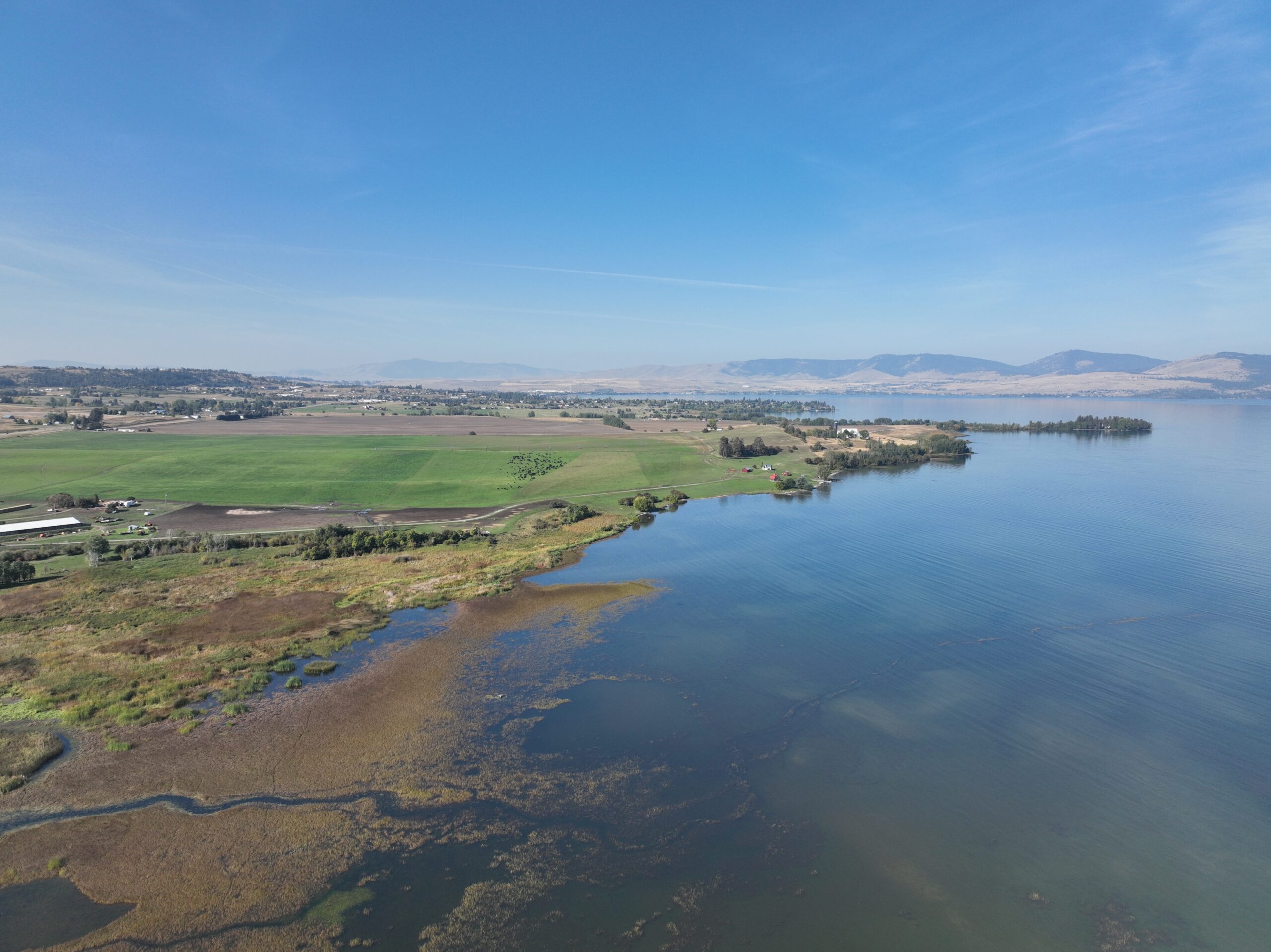
Information for Water Users in Basins 76L and 76LJ.
QUICK LINKS:
Frequently Asked Questions
Why Are People Receiving Water Rights Notices?
Montana is in the middle of a long-running statewide process to review and legally confirm water rights that existed before 1973. This is called the Montana Water Rights Adjudication. For users in basins 76L and 76LJ, the process is entering a phase where you may receive official notices or objections. Receiving an objection does not automatically mean you will lose your water right, but you will be required to participate in the Water Court adjudication to clarify your claim.
Why Is This Happening?
In 1973, Montana passed the Water Use Act to create a statewide administration system. While new uses require permits, thousands of pre-1973 rights remained unconfirmed. To address this, the Montana Water Court was created in 1979 to review over 240,000 historical claims and incorporate tribal and federally reserved water rights into the statewide system.
What Are Basins 76L and 76LJ?
Basins 76L and 76LJ are two of the 85 water basins in Montana. They are the final basins in the state to receive a Preliminary Decree—an early court-issued version of water rights claims that allows people to review and raise concerns or objections before rights are finalized.
What Does the Water Court Review?
The Water Court examines: Priority date, Flow rate, Water volume, Place of use, Point of diversion, Ownership information, Type of use (irrigation, domestic, stock, etc.), Source of water, and whether the right has been abandoned through long-term nonuse.
What Is an Objection?
An objection is a formal statement asking the court to review part of a claim. It does not automatically mean wrongdoing. Objections often involve technical issues like incorrect land descriptions, ownership updates, missing historical documents, or questions about overlapping water rights. It does NOT mean your water will be shut off or your property is being taken.
Important: Receiving an Objection Does NOT Automatically Mean:
- Your water right is invalid
- Your water will be shut off
- Someone is taking your property
- You immediately need to go to court
Objections are part of the adjudication process. Through the adjudication process, you will have the opportunity to respond and participate in the resolution of any objection to your water right.
Why Are Tribal and Federal Objections Being Filed?
- The Confederated Salish and Kootenai Tribes and the federal government may file objections in order to protect tribal and federally reserved water rights connected to the CSKT Water Compact and the Flathead Indian Irrigation Project, or to state-based water rights that are owned by the CSKT.
- In some cases, objections are being filed because certain claims received a generic issue remark from the Water Court or DNRC stating that it is unclear whether the claim may overlap with tribal water rights under the CSKT Water Compact.
- In those cases, objections may be filed so the parties can participate in resolving the issue during adjudication.
What Happens After an Objection Is Filed?
After objections are filed:
- The Water Court compiles all objections.
- Claimants are notified that an objection was received.
- A period opens for counter-objections.
- Interested parties may file notices of intent to appear.
- Cases may be grouped into subcases.
- Settlement discussions may occur.
- If unresolved, formal hearings may eventually occur.
Many cases are first routed toward settlement discussions before formal hearings.
What Should You Do If You Receive a Notice?
If you receive an objection:
- Read it carefully
- Identify what part of the water right is being questioned
- Keep copies of all documents
- Watch for future notices and deadlines from the Water Court
- Consider reviewing your water right information online
- Seek legal or technical guidance if needed
Do not ignore official notices or deadlines from the Water Court.
Where Can You Find Information?
Montana Water Court
Water Court website: https://courts.mt.gov/courts/water/
Call (406) 586-4364 or email: watercourt@mt.gov
Notices and Information – Public Notices and Information – Water Court will publish deadlines here
Legal Resources:
- Forms for Objections, Counter-objections, NOIAs
- Water Right Adjudication Rules
- Basic Montana Water Law
The Water Court website provides:
- Educational resources
- Adjudication information
- Deadlines
- Forms
- Procedural rules
DNRC Water Rights Query System
DNRC website: https://dnrc.mt.gov/Water-Resources/Water-Rights/Adjudication
DNRC Regional Offices can provide technical assistance
- Look up your water right https://gis.dnrc.mt.gov/apps/WRQS/
The DNRC database allows users to:
- Look up water rights claims
- View scanned documents
- Review objections
- Access notices related to claims
Users may need to navigate to the “Scanned Documents” section associated with their water right claim in order to view objections and Water Court notices related to their water right.
Information for Tribal Members Who Receive an Objection
Some tribal members who hold state-based water rights may receive objections in the mail during the adjudication process for Basins 76L and 76LJ.
Receiving an objection does not automatically mean your water right is invalid, and it does not necessarily mean anyone is accusing you of wrongdoing.
In many cases, objections are being filed so questions can be reviewed and clarified as part of the statewide adjudication process. Some objections may involve technical issues such as land descriptions, ownership records, historical documentation, or questions about how a claim relates to tribal or federally reserved water rights under the CSKT Water Compact.
The Confederated Salish and Kootenai Tribes may file objections on some claims in order to participate in the review and resolution of issues identified during the adjudication process. In some instances, objections are tied to issue remarks added during review by the Montana Water Court or the Department of Natural Resources and Conservation (DNRC).
Tribal members who receive a notice should:
- read the notice carefully
- keep copies of all documents received
- pay attention to notices and deadlines listed by the Water Court
- review the specific basis for the objection
- monitor future notices related to their claim or the objection
It is important to understand that this adjudication process is expected to take years and will involve many water users throughout the region, including tribal members, non-tribal landowners, irrigators, and federal agencies.
Additional information and case documents may be available through the Montana Water Court and the DNRC Water Rights Query System.
Tribal Water Right Registration:
• As a tribal member, or allottee with an interest in the trust land, you may be eligible to re-register the water right with the Tribal Water Right Registration Office before September 2026.
• Staff at the Tribal Water Right Registration Office in Pablo are available to help with re-registering through the Tribal process, please call to make an appointment: 406-675-2700 ext. 1161.
Final Note
This adjudication process is expected to take years and will involve many water users throughout the region.
Receiving a notice or objection can feel alarming, but many objections are procedural, technical, or part of broader legal review requirements connected to statewide adjudication.
Understanding the process is important, and additional notices and opportunities to participate will continue as the adjudication moves forward.